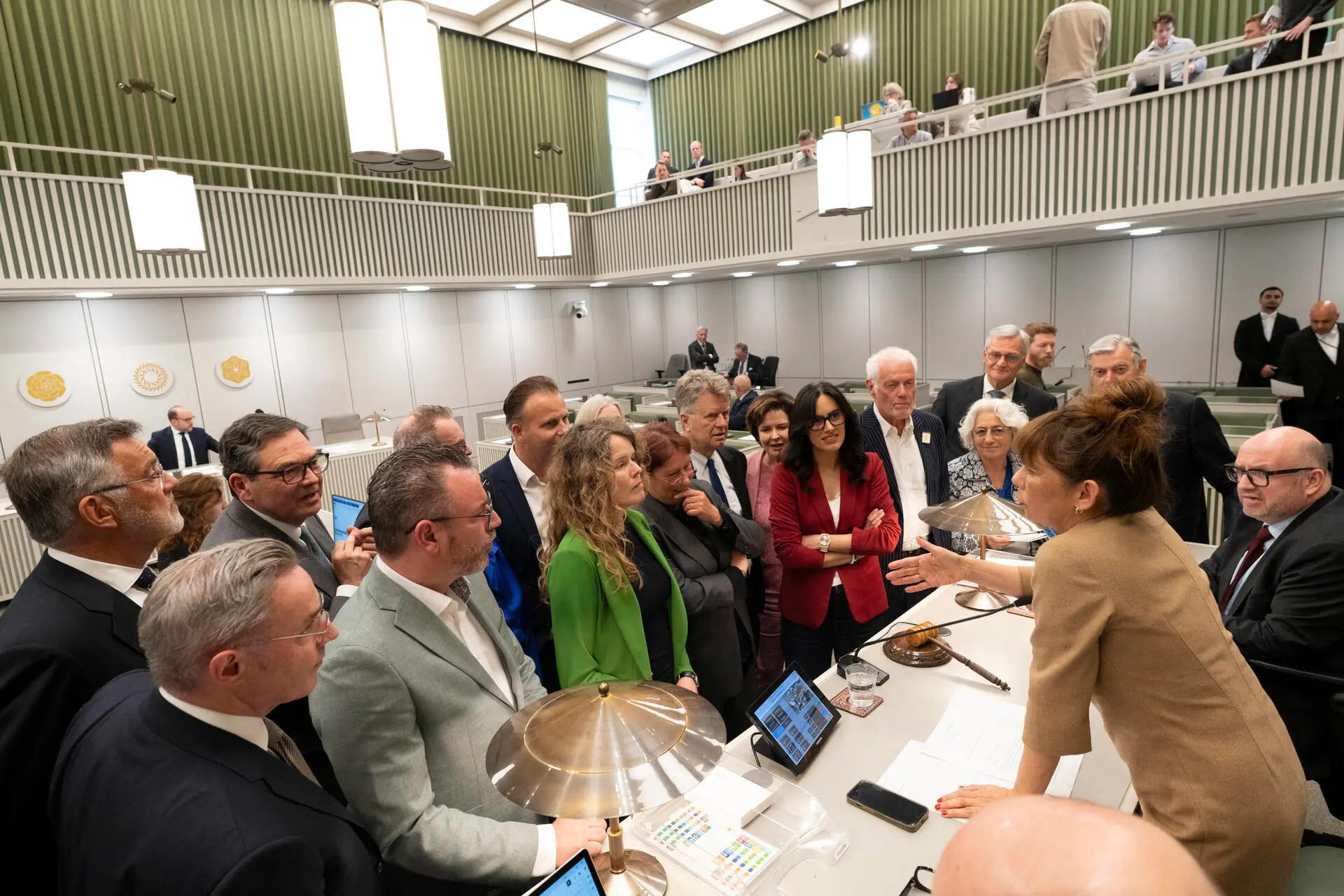
The Senate is divided over asylum laws: what does this mean?
Share on social media:
The Senate has voted on 3 asylum-related legislative proposals. The law on the dual-status system has been passed. The Asylum Emergency Measures Act and the amendment to the legislative proposal criminalising residence without a residence permit have been rejected. In this article, you can read what this means for you.
What does the result of the vote mean?
The
What happens now, following the vote?
As the Senate voted against the legislative proposal, some of the current Dutch rules will remain in force for the time being. The stricter rules contained in the Asylum Emergency Measures Act will therefore not come into effect. This also applies to the criminalisation of residing in the country without a residence permit under this Act. However, the dual-status system has been adopted. As a result, there may be changes for people applying for asylum and for those awaiting
Why might there still be changes later on?
Not everything will remain the same. From 12 June 2026, new asylum rules will apply across the European Union under the
What does this mean for you?
For people who have applied for asylum: The current rules will largely remain in force for the team being. This means there will be differences between the types of protection available. Changes may also be introduced in the future as a result of new European regulations. Faster procedures at the border are being introduced for certain groups. In most cases, the first EU country a person arrives in will remain responsible for the asylum application. This will make it more difficult to reapply for asylum in another EU country at a later date.
For people with a residence permit: The plans to shorten the duration of residence permits or to abolish indefinite residence permits will not change immediately. However, the Dutch government intends to implement these plans shortly thereafter, upon the implementation of the
from 12 June 2026. This means that, in future, an asylum permit may only be valid for 3 years instead of 5, and that indefinite asylum permits will no longer be issued. Do you already have a permanent asylum permit? Then you will keep it. This therefore mainly concerns new situations in the future. For people awaiting family reunification: Things may well change here. The dual-status system has, in fact, been adopted. This could make it more difficult, particularly for those with
, to bring their families to the Netherlands. Furthermore, the stricter Dutch rules contained in other legislation do not currently apply directly. However, changes may still be introduced from 12 June 2026. The also wants to include stricter rules on family reunification when implementing the Migration Pact. People with B-status will then have to wait two years. After that, they must have sufficient income and a place to live. It is also likely that a smaller group of family members will be allowed to join them. For example, unmarried partners and children aged 18 or over will no longer be allowed to join them. For undocumented migrants, those whose asylum applications have been rejected, or those without an ongoing asylum procedure: Staying in the country without a residence permit will not now be a criminal offence. However, Europe is working on stricter rules regarding return to the country of origin. A separate European proposal states that, in future, some people with a final return decision may be sent to a third country to arrange their return from there.
What is important now?
For now, the Asylum Emergency Measures Act and the amendment to the legislative proposal criminalising residence without a residence permit have been shelved. However, the dual-status system has been adopted. This is particularly important for people applying for asylum and for those awaiting family reunification. New European rules will come into force from 12 June 2026. The Senate will also debate and vote in May on the legislation through which the Netherlands will implement these rules. RefugeeHelp will continue to monitor this and explain what it means for you as soon as more information becomes available.