Safety in the Netherlands
Share on social media:
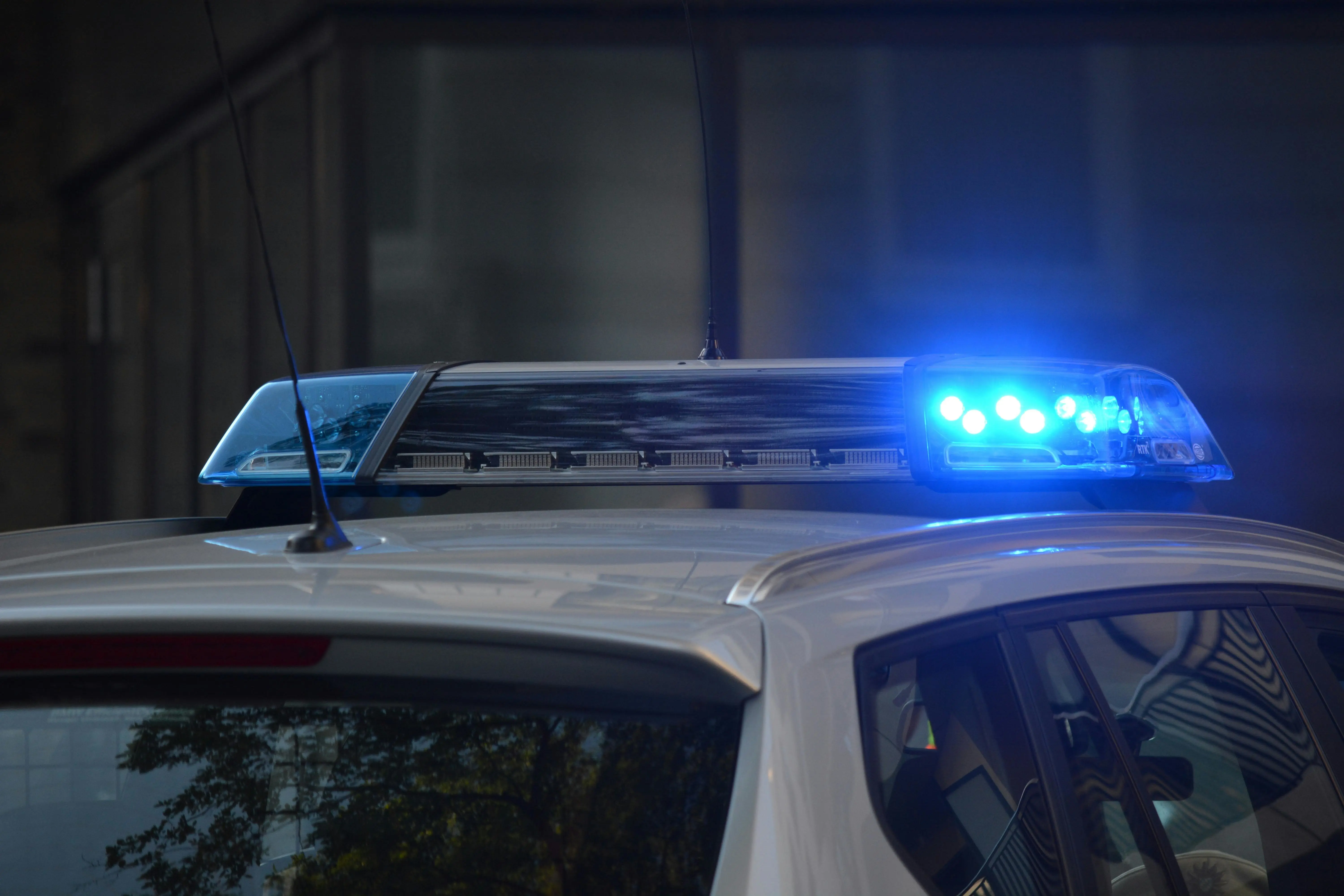
Do you need the police? On this page, you can find out when to call 112 and when you can contact the police in non-emergency situations. You will also find information on what happens if the police use force and how to make a complaint if you are not satisfied with the police.
Emergency numbers 112 and the 112NL app
Are you in urgent need of police, ambulance or fire departments? Call 112. The employees of 112 speak Dutch or English.
You can also use the 112NL app if you do not speak Dutch or English. Through the 3 call buttons at the bottom of the screen you can choose which emergency service you want to reach; the police, fire department or ambulance. There is also a chat available if you have trouble hearing or do not speak the language. The chat is automatically translated into your chosen language. The rest of the app is only available in Dutch or English.
There are some conditions for using the 112NL app:
You must have an internet connection
You must have a SIM card in your phone. Currently, the app only works if you have a Dutch SIM card (and therefore a Dutch phone number).
You cannot use the app outside the Netherlands
112 App for Android
112 App for Apple
Police without emergency
If you need the assistance of the police in a non-urgent manner, you can call the following phone numbers:
For non-urgent incidents and enquiries: (0900) 88 44.
For people who are deaf or have difficulty hearing: (0900) 18 44.
For reporting crimes (anonymously): (0800) 70 00.
This is what happens when the police use force
The police may only use force when necessary. An officer who uses force must always report this. The police will then investigate exactly what happened and what information the officer had at the time.
In serious or complex situations, the police carry out a more thorough investigation into what happened. A special committee advises the police chief, who is the head of a police team. This committee also includes someone who does not work for the police. The police chief then assesses whether the use of force was in accordance with the rules and carried out in a professional manner. In very serious situations, the
Do you have a complaint about the police?
Do you think a police officer used an excessive amount of force? Or do you feel that a police officer did not treat you properly?
Are you dissatisfied with the way your complaint has been handled? If so, an independent complaints committee can investigate the complaint. The police chief will then issue a ruling. If you disagree with this ruling as well, you can contact the
A complaint is not the same as
Urgent (but not life-threatening) care
The general practitioner is the first point of contact in case of health issues. The 'huisartenspost' is there for general practitioners' care during evenings, nights, weekends and holidays.
The telephone number of the 'huisartsenpost' varies from one municipality to another. Search online for the phone number of the 'huisartsenpost' in your municipality.
Call 112 in the event of a life-threatening situation.
Other important organisations
In addition to the police and 'huisartsenpost' (GP's office), there are many other important organisations in the Netherlands that can help you. Below is an overview:
The fire service
If it is not an emergency, but you need the
113 Suicide prevention
Are you, or is someone close to you, thinking about taking their own life? Talking helps, and you can do so anonymously. Chat via the website of
Alarms in the Netherlands
There are several alarms in the Netherlands. The most important are the air alert and NL-Alert.
Air raid alarm
On the 1st Monday of each month, the authorities test the air raid alarm at noon. Sirens go off for about 90 seconds. There is nothing to worry about at that time, and you don't have to do anything.
At any other time, if the sirens go off several times in a row, this is an emergency. You should go inside and close windows and doors immediately.
NL-Alert
Besides the air raid alarm, NL-Alert is used in the Netherlands. NL-Alert is the alert message you receive via your mobile phone in a life and health threatening emergency situation. The NL-Alert informs you on what is going on and what you should do.