Waste separation in the Netherlands
Share on social media:
In the Netherlands, you are often required to sort your waste before disposal. Sorting waste helps to recycle raw materials and protect the environment. But how exactly does it work? In this article, you can find out which types of waste go where and how waste collection is organised in your neighbourhood.
How does waste separation work?
Almost 60 percent of household waste is sorted. You often have to do this yourself. The method varies from one municipality to another.
If you live in a village
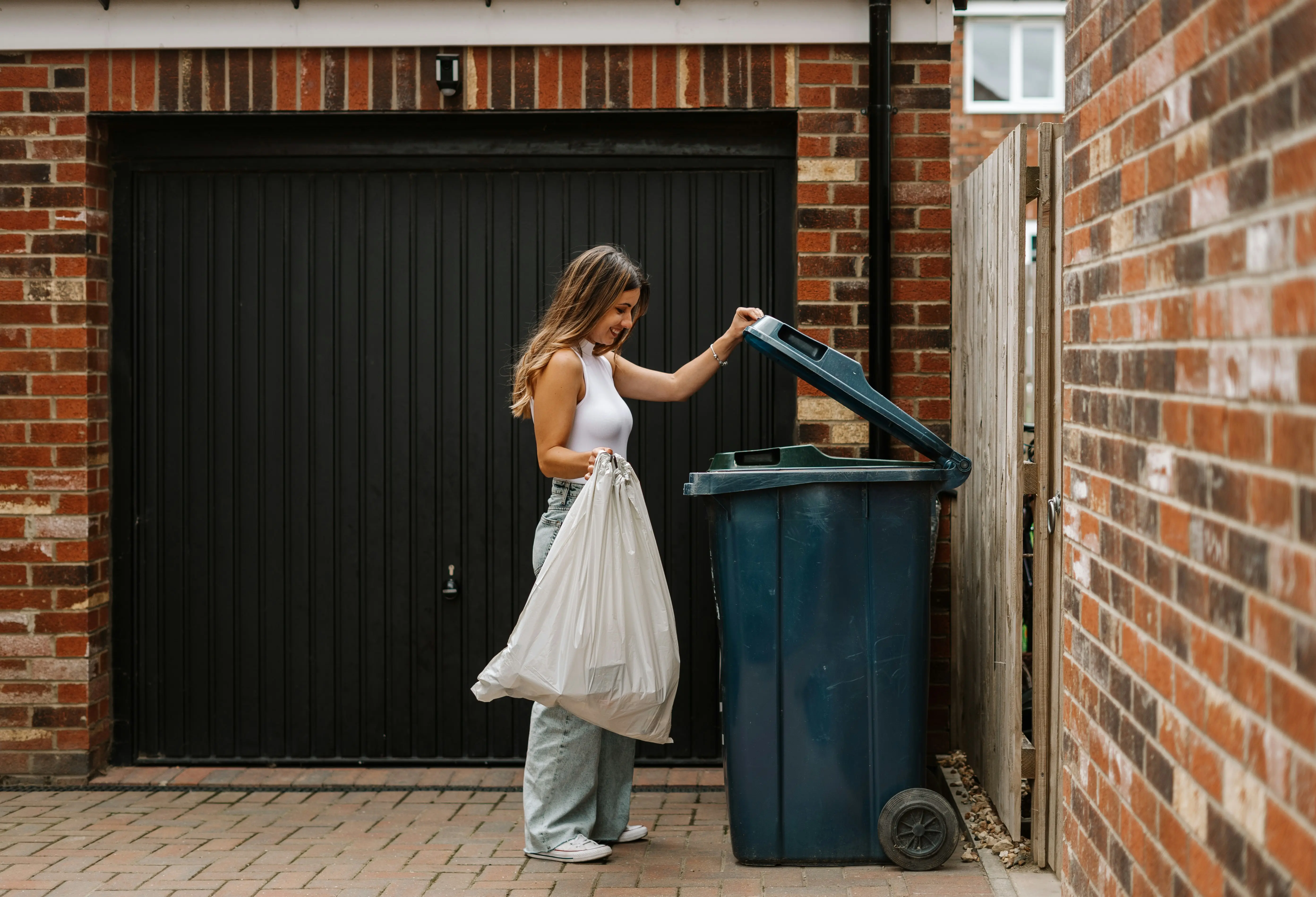
In villages, you are usually given bins. These are known as ‘klikos’. The colour of the kliko indicates what should go inside. The klikos are emptied by the waste collection lorry once a week. You put the kliko out on the pavement yourself on the correct evening or morning.
If you live in a town or city
In towns and cities, there are usually large waste bins on the street. You take your rubbish there yourself. In towns and cities, many people do not have a garden or a shed, so there is no space for bins. That is why rubbish is collected differently.
What do you need to hand in separately?
Paper, glass, organic waste, bulky waste, chemical waste and textiles usually need to be sorted before disposal.
Chemical waste
Batteries, LED bulbs and incandescent bulbs are classified as hazardous waste. Always dispose of batteries separately. Empty batteries still contain a small amount of electricity. This can cause a fire if they end up in general waste. Small items of hazardous waste can often be handed in at the supermarket. Larger items and paint must be taken to a waste collection point.
Textiles
You can dispose of clothes and shoes you no longer wear in a textile bin or a clothing bag. Worn-out or torn items are also acceptable. You can also take clothes that are still intact and clean to the
You can put more items in the textile bin than you might think. Towels, scarves, sheets, duvets, pillows, soft toys, cleaning cloths and curtains can also be put in the textile bin. Carpets, mattresses, floor coverings and garden cushions must not be put in the textile bin. These belong in the bulky waste collection.
What do you do with the waste you cannot recycle?
General waste is anything that cannot be recycled. It does not belong with glass, paper, organic waste or bulky waste. Examples include cat litter, greasy pizza boxes, nappies, baby wipes, cotton buds, razors, toothbrushes and pieces of polystyrene.
In towns and cities, you put your general waste in bin bags and leave them by the kerbside, or you put the bags in an underground bin. In villages, you often use a grey bin.
General waste is incinerated or sent to a landfill site.
When is something classified as bulky waste?
Bulky waste is household waste that does not fit in a bin bag, such as furniture, mattresses, carpets, fridges or washing machines. You must take bulky waste to a recycling centre yourself or put it outside on collection day. You can book an appointment online with your local council to have it collected from your doorstep.
How much do you pay for waste collection?
Everyone in the Netherlands contributes to the cost of waste collection and processing. This is done through the waste collection charge. This is part of the municipality tax and is paid once a year. The amount you pay depends on the size of your household and your municipality. Homeowners often pay a different amount to tenants.
In conclusion: here is what you need to know about waste
Clothes, bikes, toys and electrical appliances can often still be repaired. Not very handy yourself? Why not visit a
Do not use the toilet as a bin. Only poo, wee and toilet paper should go in there. Baby wipes, cleaning wipes, tampons and sanitary towels belong in the general waste.
Pour oil and cooking fat back into the bottle and take it to a collection point. If there is no collection point, put the sealed bottle in the general waste.
Return old medicines to the pharmacy.
Are you planning a renovation? Construction waste is not collected as bulky waste. Please reuse the materials where possible or dispose of them separately.