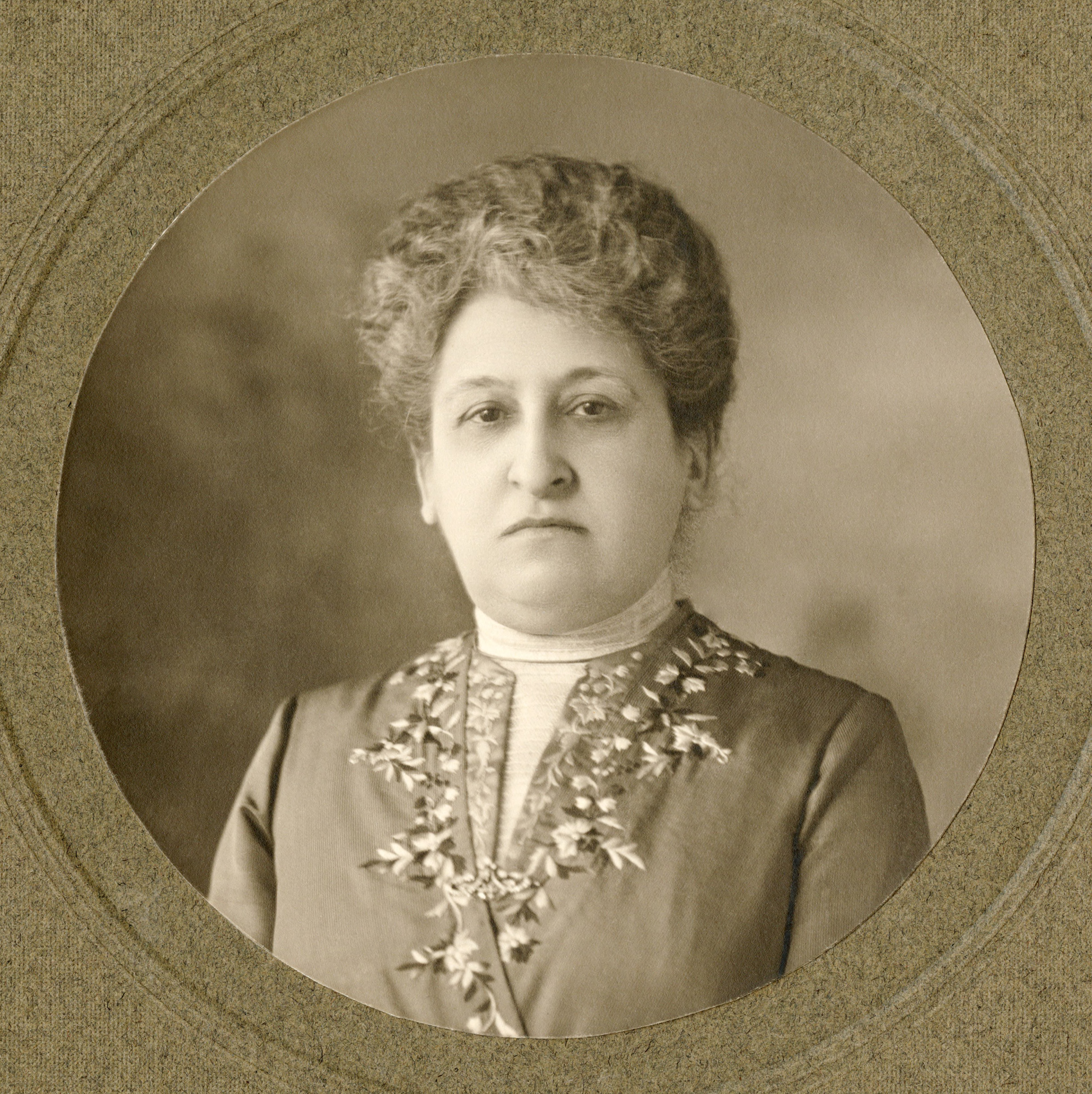
Aletta Jacobs: the Netherlands' first female doctor who fought for women's rights
Share on social media:
Aletta Jacobs changed the history of the Netherlands. She became a doctor at a time when women had almost no opportunity to study. Then she campaigned for equal rights for women. In this article you will discover who she was and what she accomplished.
Aletta Jacobs, the doctor for women
Aletta Jacobs was born on 9 February 1854, in Sappemeer, a village in the province of Groningen. She grew up in a large family with 10 siblings. At that time, almost only men were allowed to study. Yet Aletta wanted to become a doctor, just like her father.
As a young girl, she wrote a letter to the minister requesting permission to study at the university. The minister granted her permission. In 1871, Aletta was allowed to study at the university in Groningen. This made her the first woman in the Netherlands to be officially admitted to a university.
When she was 23, she opened her general practice in Amsterdam. She held free consultations for women. She gave information about contraception and pregnancy. This was special at that time. Many women had physical issues due to many pregnancies, and Aletta wanted to help them gain more control over their own lives.
Aletta and women's suffrage
Aletta Jacobs became chair of the Association for Women’s Suffrage, which was founded in 1893. At that time, not everyone was allowed to vote. Only some men had the right to vote. These were often men who had enough money and paid
In 1917, men were given universal suffrage. For women, in 1917, there was first only passive suffrage. This meant that while women could be eligible and elected as politicians, they were not yet allowed to vote themselves.
In 1919, a law was passed giving women the right to vote. Aletta Jacobs had fought for this for years and thought about this proposal. In 1922, active women's suffrage was officially put into the
Aletta Jacobs also stood up for girls who worked in stores
Aletta Jacobs did not approve of young women having to stand in stores all day. According to her, this was bad for their health and also unfair.
Therefore, she devoted herself to helping these women. In 1894, she asked stores in the Netherlands to arrange seating for the women and girls working in the stores. She drew attention to the physical ailments the girls suffered because they sometimes had to stand for 11 to 15 hours a day.
This attention later led to a law. In 1902 came a rule requiring stores to provide seating for girls and women working in stores.
Aletta Jacobs and world peace
In 1915, during World War I, Aletta Jacobs organised the International Women's Congress in The Hague. The Netherlands was neutral then, did not participate in this war. Therefore, women from different countries were able to meet in The Hague, including countries that were at war with each other.
Around 1100 women came together, from 12 countries. They talked about peace and made plans together to prevent war. Then they offered their proposals to key world leaders.
Aletta Jacobs, for example, traveled to the United States and spoke with President Woodrow Wilson. Later, in 1918, Wilson advocated an organisation of nations to keep peace together. His ideas were similar to congressional proposals. In 1919, the League of Nations was founded, an international organization that later became a model for the
Recognition and awards for Aletta
Aletta Jacobs is still considered an important person in the Netherlands. She has been in the
Aletta Jacobs' personal archive has been included in the
In addition, the University of Groningen has awarded the Aletta Jacobs Prize every 2 years since 1990. This award is for a woman with academic training who has done much for
On the streets, you see Aletta's name in many places. Many Dutch cities and villages have streets and squares named after her.
Aletta Jacobs was important for these reasons
Aletta Jacobs died on 10 August 1929. Until her death, she continued to work for women's rights and world peace. She was important because she showed that women should have the same opportunities as men. She opened the door for women to study and work, and she was instrumental in the fight for women's suffrage. She also gave attention to issues that hardly anyone dared to talk about at the time, such as women's health and rights. That is why Aletta Jacobs is still seen as an example and a pioneer in the Netherlands.