This is how the Dutch healthcare system works
Share on social media:
Do you need healthcare? Then in the Netherlands you always go to the family doctor first. The family doctor can refer you to other care. Only in case of acute care can you immediately call the emergency number or go to the doctor's clinic. Read more about how healthcare works in the Netherlands.
Family doctor
In the Netherlands, with non-urgent health complaints, you should always see your family doctor first. This is the case if you are pregnant, need medical advice, or experience psychological problems such as sleep problems, anxiety and depressive thoughts.
For example, if you have a cold, you don't have to go to the doctor right away. You can get medicine at the pharmacy or drugstore. If the cold does not go away, you can make an appointment with your family doctor.
Registering with a family doctor
Before you can make an appointment with a family doctor, you first need to register with a family doctor in your area. If you don't know how to get to a family doctor, ask your contact person at
If you are registered with a family doctor, you can make an appointment. You call the doctor and then make an appointment via the assistant. You discuss the issue with the doctor during the consultation. The family doctor can refer you to the hospital or to other specialist care.
Dentist
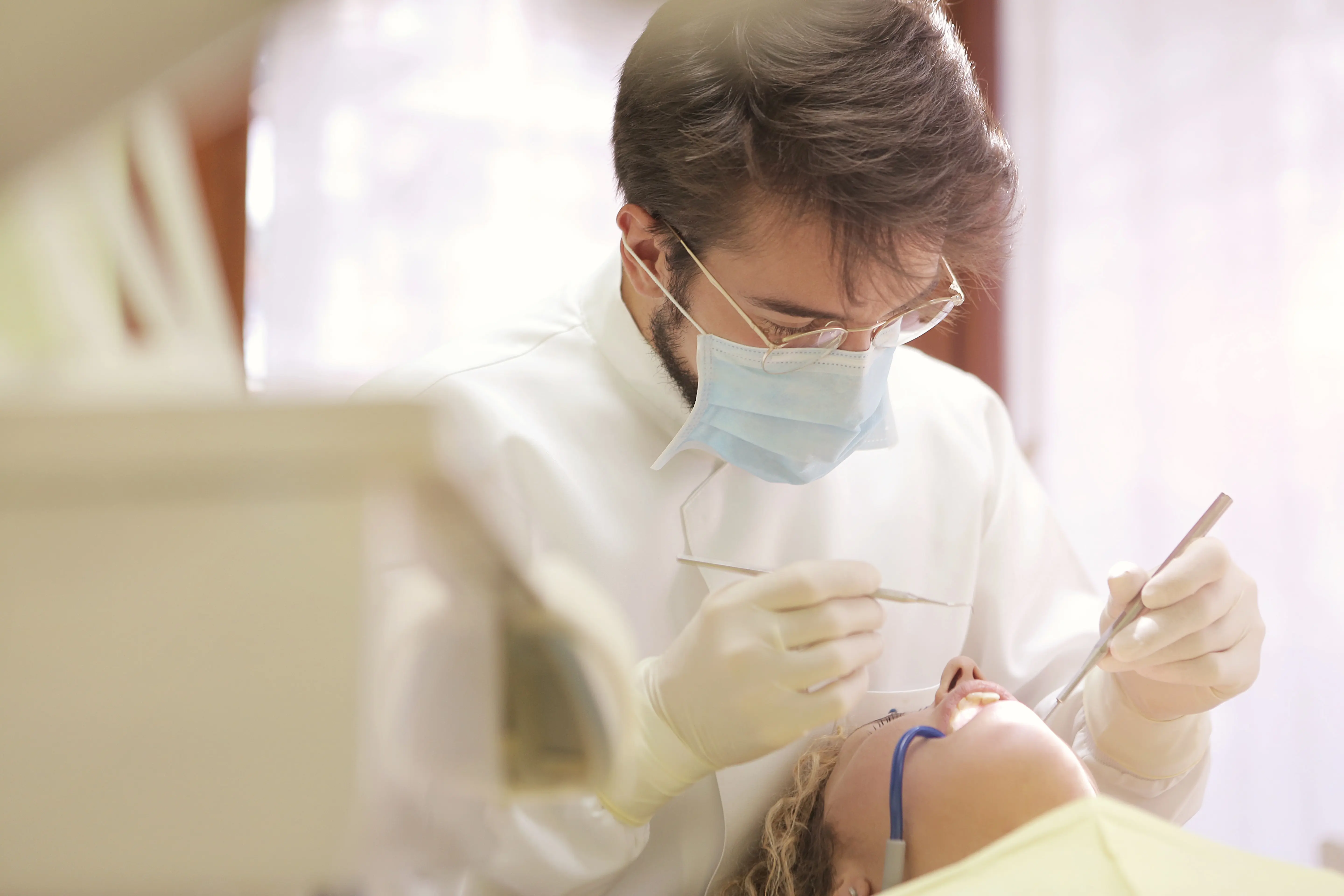
If you have dental complaints, you can go to the dentist. Even if you have no complaints, you can go to the dentist for a check-up. Most Dutch people go to the dentist for check-ups twice a year. Just like a family doctor, you first need to register with a dentist.
Dental costs
Dental costs are not covered in the basic health insurance coverage. You can take out supplementary health insurance for this. If you don't have any, you have to pay all the costs for the dentist yourself.
Most dental costs for children up to 18 years of age are often covered by health insurance.
You will be invited for these population screenings
If you have a
A population screening is a medical examination for large groups of people. The goal is to detect diseases early. Treatment is then often less severe and there is a greater chance of getting better. It also allows us to prevent diseases before people develop symptoms.
There are 3 population screenings for cancer in the Netherlands. The examinations are offered by the government. As soon as you reach the age you will receive a letter. Participation is free and voluntary:
Bowel cancer: everyone aged 55 to 75 receives an invitation every 2 years for the population screening for bowel cancer. You will first receive a letter in which you can read information about the population screening. Three weeks later you will receive the invitation for the screening. The invitation is in a purple envelope.
View a video here in which Steffie explains the population screening for colon cancer. You can watch the video in Dutch, English, Turkish, Arabic, Ukrainian and Polish.
Cervical cancer: you will receive an invitation for this screening if you are a woman between the ages of 30 and 60. You can expect the letter around your 30th, 35th, 40th, 50th and 60th birthday.
View a video here in which Steffie explains the population screening for cervical cancer. You can watch the video in Dutch, English, Turkish, Arabic, Ukrainian, Polish, Somali, Tigrinya and Farsi.
Breast cancer: As a woman, you will receive an invitation to this examination when the mobile examination centre is in your area. A mobile examination centre is a mobile bus or trailer, which is temporarily set up in different locations. You will receive the first invitation when you are between 49 and 52 years of age. This depends on the route and schedule of the examination centre. Until the year you turn 76, you will receive an invitation every 2 years.
View a video here in which Steffie explains the population screening for breast cancer. You can watch the video in Dutch, English, Turkish, Arabic, Ukrainian and Polish.
Would you like to know more about the population screenings?
For special target groups: vaccination programme
For people at increased medical risk, the
The flu jab
Some people can get very ill from the virus that causes flu. Examples include people over 60 years old and people with heart disease, lung disease, kidney disease or diabetes. The GP invites these people to have the flu jab. So you must be registered with a family doctor.
The corona vaccine
For some people, COVID-19 is an extra high risk. The RIVM sends them an invitation for the corona vaccine. These are people over 60 years old, people at high medical risk and healthcare workers.
For babies and children: the Dutch Vaccination Programme
The Dutch Vaccination Programme protects children against
Babies receive their first vaccinations in the first year of life. After that, several vaccinations follow at set times.
Family doctor acute care clinic
If the family doctor's practice is closed, but your medical emergency cannot wait until the next day or after the weekend, call the family doctor's clinic in your area. At the family doctor's clinic, people are helped in the evening and on weekends, when the family doctor is free.
During the phone call, an employee from the family doctor's clinic will tell you whether you can come by or whether you would be better off making an appointment with your family doctor. The family doctor's clinic can also refer you to the accident and emergency department of a hospital.
Please note: always contact your family doctor's clinic before going to accident and emergency - except in the case of a life-threatening situation. Then call 112 for an ambulance.
You can also use the
The card is intended for patients who cannot speak Dutch, such as refugees and migrant workers. Healthcare professionals also consider this important. It helps them understand more quickly what is required.
It is easy to use. Simply show the card to the healthcare professional. They will see that there is a language barrier and can arrange for a professional interpreter. This is free of charge for you.
Call 112 in the event of a life-threatening situation
If you or someone close to you is in a life-threatening situation, call 112. You will get an emergency operator on the phone. Explain the situation and answer the operator's questions.
The emergency centre can send an ambulance. The ambulance can take you or the person you are calling for to the hospital. The ambulance's doctors can also provide immediate medical assistance.
If the emergency centre does not send an ambulance, you will be told where you can go. For example, to the family doctor's practice nearby. You will have to make your own transportation arrangements.