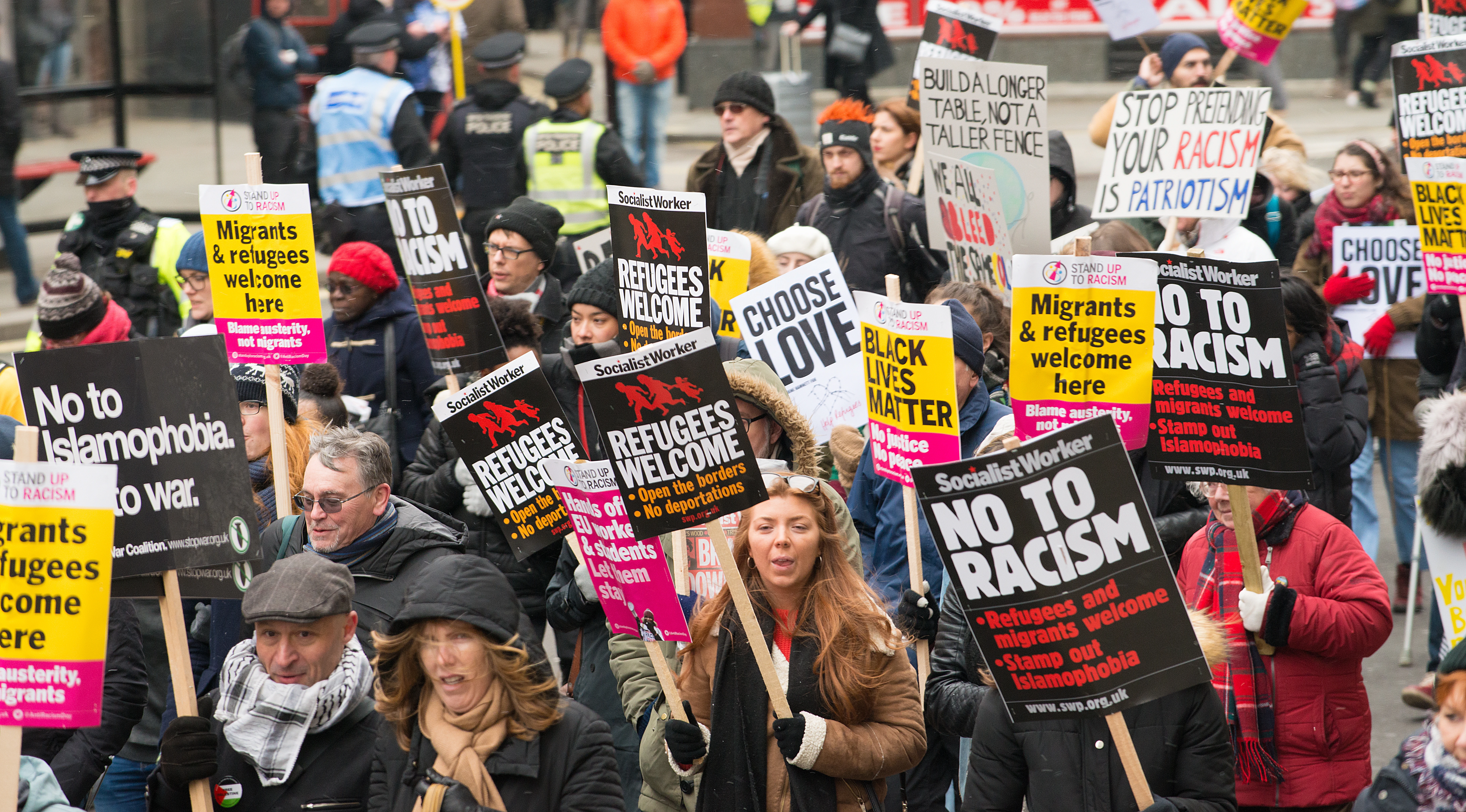
This is how you can demonstrate in the Netherlands
Share on social media:
In the Netherlands, anyone can demonstrate, even if you do not yet have Dutch citizenship. However, the government can set conditions on how you demonstrate. This article explains how demonstrating in the Netherlands works.
In the Netherlands, anyone can demonstrate
The Dutch Constitution (Article 9) states that anyone in the Netherlands may demonstrate on any subject. The government may not stop a demonstration if it does not agree with the content or reason for the demonstration. However, the government may draw up rules for demonstrations. This is the job of municipalities and mayors. This law is enshrined in the
You can protest peacefully in several ways
In the Netherlands, you can demonstrate in various ways. These protests are usually in public. You can also demonstrate in writing.
People who take part in demonstrations may not use violence. Nor may demonstrators express hatred about other people, their origin, race or religion. Discrimination is not allowed and nor are hatred and violence. The authorities may stop the demonstration if any of these things happen.
Below are the different ways you can demonstrate:
If you demonstrate, you must report this to the municipality
If you want to demonstrate, you must notify the municipality in which you are demonstrating on time. You report to the
For example, the mayor can change the location of the demonstration. She or he may also change the time of the demonstration, for safety reasons. She or he may not change the content of the demonstration. If you do not report the demonstration, the mayor can stop the demonstration. The municipality can intervene if:
The health and safety of protesters or passersby is at risk.
The demonstration creates problems in traffic.
Unrest, violence or criminal acts are expected.
The Dutch government must protect protesters
The Dutch government must protect participants of a demonstration. For example, if there are opponents, or if there are hate reactions to the demonstration. That is why police are present at every demonstration. The police make sure that the demonstration goes safely and quietly. So they are there for your safety.