Source: Shutterstock / Martijn Klungel
Article

These are the different types of reception locations if you apply for asylum in the Netherlands

Last updated: 26/12/2024, 18:19

If you apply for asylum in the Netherlands, you are entitled to a place in a reception centre. There are different types of reception locations, depending on your situation and how long you have to wait for a decision on your asylum application. Sometimes you will be moved to another reception location during your procedure. Below you can read more about the different reception locations.

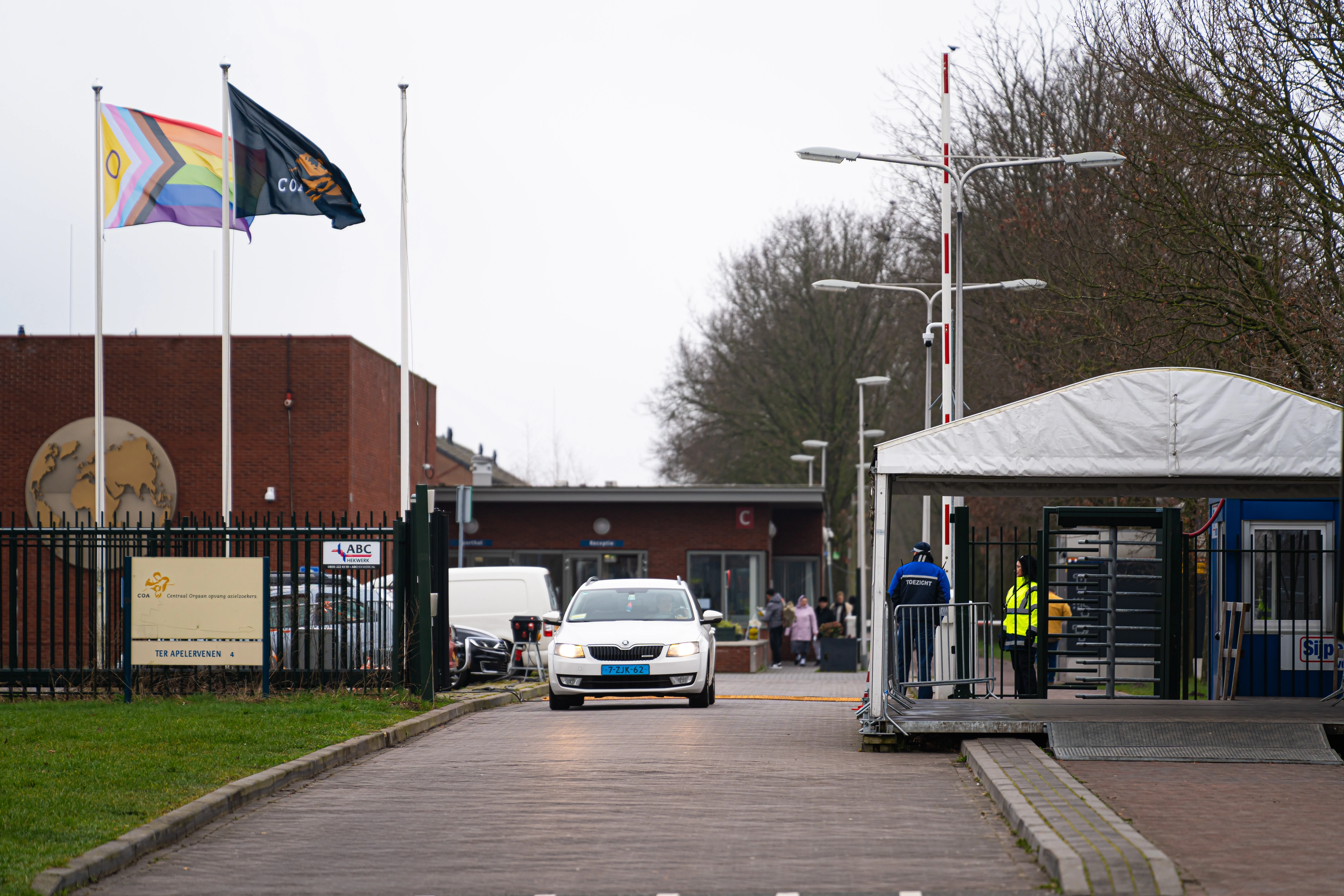
Application centre in Ter Apel

Ter Apel is the 1st reception centre you arrive at when you apply for asylum. If there is no space in Ter Apel, you may have to stay temporarily in a reception centre nearby.

In Ter Apel, your asylum application will be registered with the

. The police or
will check your documents, take passport photos and take fingerprints. You also sign your asylum application here.

Usually you stay in Ter Apel for a short time. After the application procedure, most people go to another reception centre. But if there is no room there, you may stay longer in Ter Apel.

In Ter Apel, you will receive shelter and basic services, such as food, a bed and medical care. Is there no more room in Ter Apel? Then sometimes you have to sleep in a temporary reception centre near the application centre.

Reception centre near an IND office

After your identification, registration and application for asylum, you will go (if there is room) to another reception centre in the Netherlands. You usually go to a reception centre close to an IND office. This way you can easily travel to your appointments with the IND.

Reception centre near an IND office can take anywhere from a few weeks to months. It depends on how long the IND takes to make a decision and whether there is a shortage of places in reception centres. You may have to move several times until the IND decides whether to grant you a residence permit.

At the reception centre, you share living quarters with others and receive basic services such as food and medical care. Whether there are activities and whether your children can receive education varies depending on the reception location.

Emergency reception centres: Temporary reception centre

Emergency reception centres are used when there is no more room in regular reception centres. These are often temporary places, such as sports halls, hotels, old business premises or boats. When even these are full, municipalities sometimes arrange other reception centres, such as large tents with heating. In emergency reception centres, the amount of space per person is often limited. This can lead to stress, which is why it is seen as a temporary solution.

An emergency reception centre is meant to be a temporary solution where you stay for several weeks. But it almost always lasts longer because of the shortage of places in reception centres.

As these reception centres are temporary, the facilities are often simple. You are entitled to healthy food, medical care and education for your children. But you often cannot cook for yourself there, there is little to do and you often have little privacy.

Reception in an asylum seekers' centre (ASC)

If the IND needs more time for your asylum application, or if you have a residence permit but no house yet, you usually live in the ASC. Even if your asylum application is rejected, you will first stay in the ASC. Sometimes you come here earlier due to a shortage of places in reception centres. ASCs are located throughout the country and are intended for longer stays.

How long you stay in an ASC is hard to say. It can be a few months, but sometimes 1 year or longer. It depends on how long your asylum procedure takes and how long it takes to find a house for you if you get a residence permit.

There are more facilities in an ASC than in other reception locations. Not only do you get basic things like food, shelter and medical care, but there are also activities and help. Children can go to school and adults can take language classes or get support to prepare for a future in the Netherlands. There are common areas such as playgrounds, libraries and sports areas. Often psychological help and legal advice is also available.

Reception centre if your asylum application and appeal have been rejected

If your asylum application and appeal have been rejected, you must leave the Netherlands within 28 days of the rejection. Until then, you can stay in the ASC. Are you unable to leave the Netherlands in time? Then sometimes you can stay in a freedom restricting location for a maximum of 12 weeks.

If you still cannot return to your country of origin after that, the reception usually stops. You must then find a place to live on your own. Families with children under 18 always receive a place in a reception centre. They go to a family location, because children under 18 in the Netherlands have a right to a safe place.

The facilities in a freedom-restricting location and a family location are simple because these places are meant to be temporary solutions. For children, the facilities are similar to those in an ASC. They can go to school, there is a playground, and there are activities such as sports, games, art and music.


Did this information help you?


The information that you find on this platform comes from the human rights organisation VluchtelingenWerk Nederland (VWN), in cooperation with its partners.
In cooperation with Contentful