What is the Dutch government like and what exactly do the national government, provinces, municipalities and water boards do?
Share on social media:
The Dutch government consists of different levels of government with their own tasks. In this article we explain how the government is organised in the Netherlands and what the national government, provinces, municipalities and water boards do.
Why are there municipal elections in the Netherlands?
Not all rules in the Netherlands are devised and made by
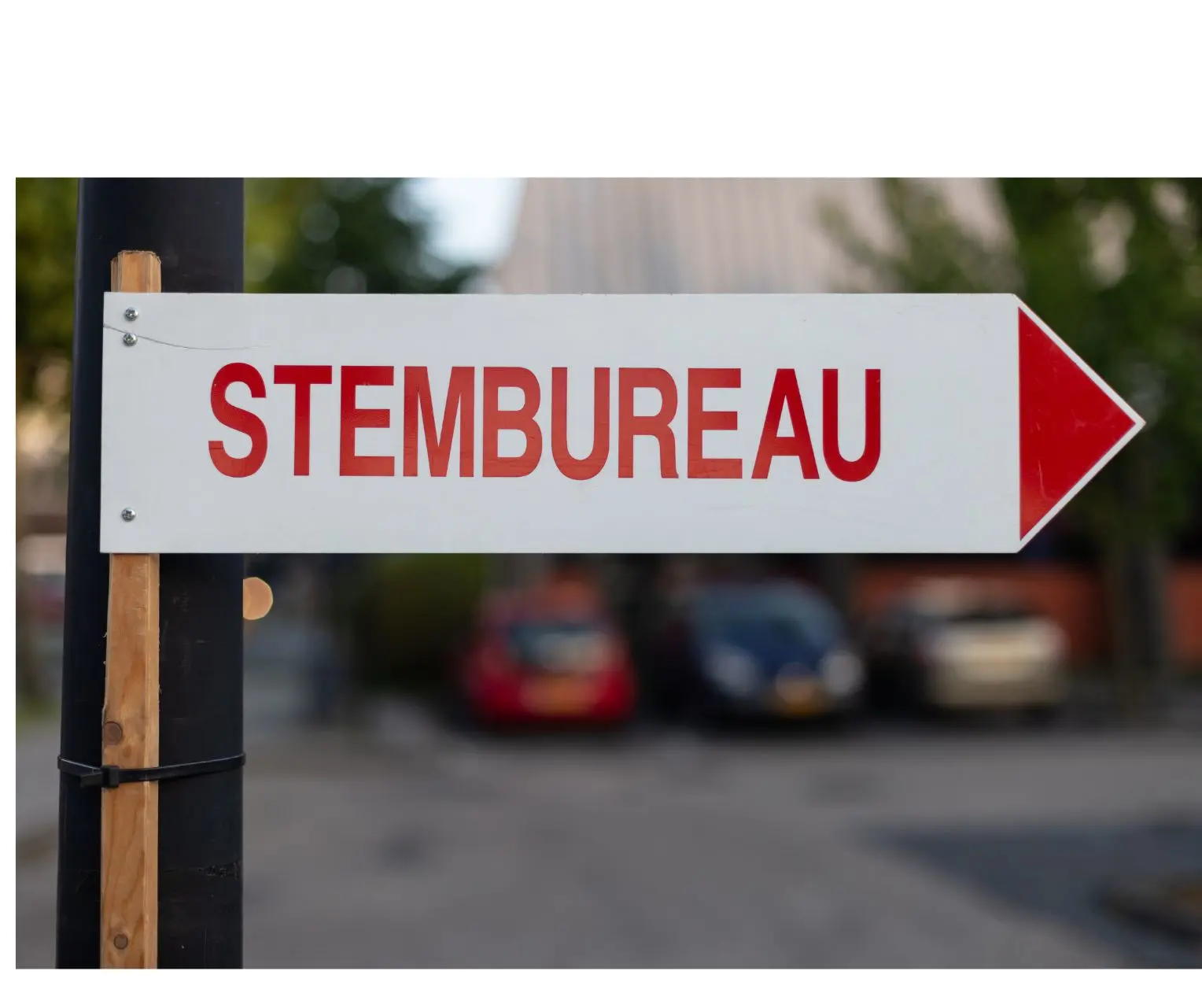
The Netherlands is a democracy. This means that the power lies with the people. And this means that the inhabitants of the Netherlands choose who is allowed to make decisions on their behalf in the Netherlands. That is why there are elections for all levels of government in the Netherlands. Usually once every four years. On 18 March 2026, there will be local elections in the Netherlands again.
Who regulates what in the Netherlands?
In the Netherlands, the Dutch government regulates all matters that apply to everyone in the country. This central government consists of the administration (ministers and the King), the 'parliament' (Senate and House of Representatives), the ministries and a number of national organisations that regulate everything for everyone in the Netherlands in a specific area. Examples include the Dutch tax authorities and the Dienst Uitvoering Onderwijs (DUO).
Read more about the
In addition to the central government, there are also local governments: the provinces, municipalities and water boards. The first two deal with matters that only apply to a specific area: the province or the municipality. The water boards are responsible for ensuring good water quality in our country. This is their most important role. They also ensure that there is neither too much nor too little water in our country.
Provinces primarily have a coordinating role
You can say that provinces mainly regulate a lot in their own region. For example, spatial planning (how the province is arranged in terms of roads, housing, nature or businesses), environmental protection and public transport. In addition, they control the municipalities in their province and organise cooperation between municipalities.
Municipalities take care of the things their residents need on a daily basis
The municipality is the government you as a citizen have to deal with the most. The municipality implements the laws and regulations of the national government and the province. However, the municipality also regulates a lot itself for the residents in their municipality. For example: safety, traffic, public order, education in the municipality, sports and culture.
For example, it gives money to swimming pools and libraries, ensuring their continued existence. The municipality also keeps track of who lives in the municipality. And issues official documents such as a passport, identity card or driver's licence. Furthermore, the municipality ensures that there are streets, roads, footpaths and bicycle paths. And that they are maintained.
Residents of the municipality elect the municipal council
The residents of the municipality elect the members of the municipal council. The municipal council makes decisions on behalf of the residents of the municipality.
But you have even more influence as a resident. You can often have a say. Council members have a lot of contact with residents to hear what they think is important and what is going on. You can also approach the municiapl council yourself if you have ideas, want to make a request or want to voice your opinion. You can email, call or request an appointment with council members. And you also have influence in the council when you join a political party. Or go to party rallies or meetings.
The size of the municipal council depends on the number of residents of the municipality. The largest municipal councils in the Netherlands have 45 members. These are municipalities with more than 200,000 inhabitants. The smallest municipal councils have 9 members. These municipalities have fewer than 3,000 inhabitants.
To be eligible to vote in the Netherlands, you must be 18 years of age or older.
Dutch and European citizens residing in the municipality are eligible to vote in municipal elections. Are you not from Europe, but have you fled, for example? Then you can also vote if you are registered in the municipality, have a residence permit and have lived in the Netherlands continuously for 5 years or more. This does not apply to Ukrainians who have protection in the Netherlands under the
If you are eligible to vote in the municipal elections, you will receive a voter pass by post. You must bring this voter pass with you when you go to vote.