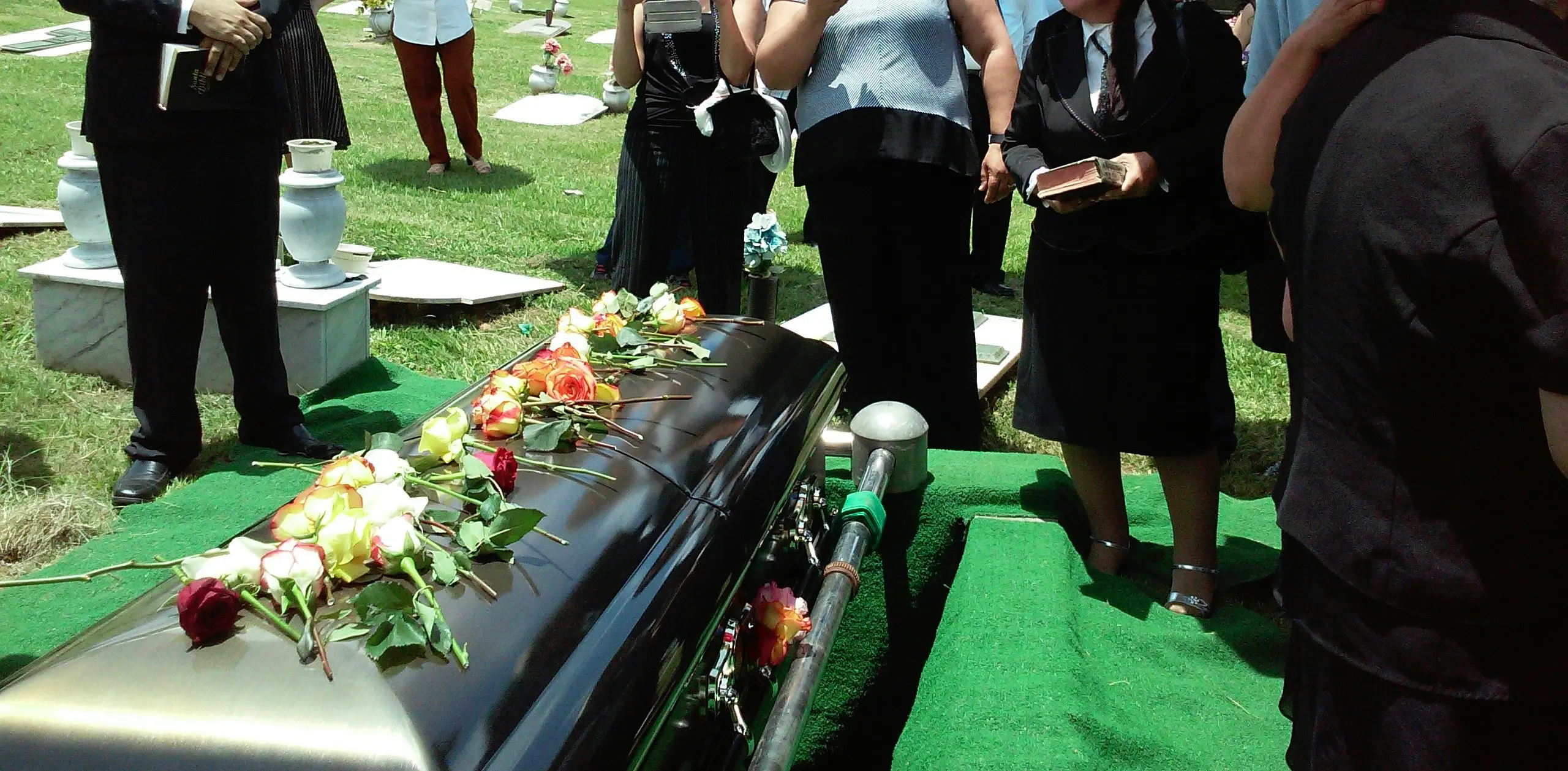
Funerals in the Netherlands: burial, rules and costs
Share on social media:
When someone dies, there are often many things you need to take care of. In the Netherlands, there are rules regarding what must be done after a death. In this article, you will learn what you need to know if someone dies in the Netherlands.
What happens immediately after death?
In the Netherlands, if someone dies at home, you call the family doctor first. The family doctor confirms whether the death was due to natural causes. This means that the person died of old age or illness. If there is any doubt about this, further examination of the body may be necessary. The family doctor then issues a
Reporting a death to the municipality
You can report the death yourself. You do this at the municipality where the person died. If the deceased was registered in a different municipality, the municipality where the person died will report the death to the municipality where the deceased was registered. However, the funeral director usually reports the death to the municipality.
The death must be reported to the municipality within 6 business days. This must be done, at the very least, before the funeral. The municipality will then grant permission for burial or cremation. This permission is required for the funeral.
Death certificate from the municipality
After the death is reported, the municipality issues a death certificate. The municipality also records the death in the
It is important to request a death certificate from the municipality where the person died. You will often need this document to handle other matters, such as banking, insurance, rent or other administrative matters.
You consult with the next of kin
In the Netherlands, next of kin decide what happens to the deceased after death. This is done in consultation with the funeral director.
In the days leading up to the funeral, the deceased person’s body is laid out. This can take place at home or perhaps at the place of rest. It is also possible to lay someone out at a funeral home. You will discuss with the funeral director how and when people can say their goodbyes. A funeral director is someone who helps arrange and oversee the funeral.
A funeral director helps you make funeral arrangements
You have a lot to arrange when a loved one dies. You can arrange everything yourself, but usually a funeral director does this. After the death, discuss with the funeral director all your wishes for the funeral or cremation and the costs involved. Ask the family doctor, people at the hospital, attendants at the location or from the municipality to help you find a funeral director.
Burial or cremation
In the Netherlands, you can choose between burial and cremation.
At a funeral, the deceased is buried in a grave. You usually pay for the grave. The costs vary by municipality and cemetery.
In some religions and cultures, burial is important. Sometimes there are also special wishes or rules regarding the funeral.
In a cremation, the deceased’s body is cremated at a crematorium. After the cremation, the crematorium keeps the deceased’s ashes for one month. One month after the cremation, the next of kin may collect the ashes. After that, they can decide for themselves what to do with the ashes. For example, they can keep the ashes, scatter them, or take them abroad.
If the next of kin wish to collect the ashes sooner than one month after the death, they must request permission from the public prosecutor.
If the ashes have not been claimed after several reminders and a few months have passed, the crematorium may scatter the ashes itself.
When should the funeral take place?
In the Netherlands, there are rules governing when a person may be buried or cremated. Generally speaking:
The funeral may not take place sooner than 36 hours after death. This allows time to properly confirm that the person has died and to arrange the necessary documents.
The funeral must take place no later than the 6th business day after the death.
Weekends and official holidays do not count as business days.
Funeral within 36 hours
Some religions have the custom of burying a person shortly after death. If you want to hold the funeral within 36 hours, you need permission from the mayor and the public prosectuor.
Postponement of the funeral
Sometimes the funeral cannot take place within 6 business days. For example, because family members from abroad must first travel to the Netherlands. In that case, you can request a postponement from the mayor and the public prosecutor. Family members who have to travel a long distance or who have religious reasons may sometimes be granted a postponement.
Costs of a funeral
A funeral costs an average of about €10,000 in the Netherlands. A cremation is usually less expensive and costs an average of about €7,000.
Main costs
At a funeral, for example, you pay for:
The funeral director
The grave
The gravestone or memorial
The coffin
There may also be other expenses, such as flowers, transportation, funeral cards, and food and drinks after the funeral.
A funeral can be very expensive. You can take out funeral insurance. This insurance covers part of the funeral costs - or sometimes all of them - after your death.
The municipality will arrange the funeral if necessary
Sometimes there is no one who can or is willing to arrange the funeral. In that case, the municipality arranges the funeral. The mayor is responsible for ensuring that every deceased person is buried or cremated. The municipality also covers the costs.
Special welfare
If you want to arrange the funeral yourself but do not have enough money, you can ask the municipality for special welfare. The municipality can help cover the costs. This will allow you to remain involved in arranging the funeral.
Cultural and religious preferences
Many people want to say goodbye in a way that reflects their faith or culture. For example, with a prayer, a ritual washing, special clothing or a specific burial method.
In the Netherlands, there are often many options available. However, you must take into account Dutch law and the rules of the cemetery or crematorium.
Therefore, discuss your wishes with the funeral director as soon as possible. You can also ask someone from your faith community or local community for help.
Burial abroad
Some families wish to bury the deceased in their country of origin. In that case, the deceased must be transported from the Netherlands to that other country. This is called repatriation.
Various documents are required for transportation abroad. An international funeral director usually handles these documents and the transportation.
A mortuary certificate is required for transporting a body to many countries. You can apply for this at the municipality where the person died.
The rules vary depending on the country. Therefore, be sure to check which rules apply in the country where the deceased will be buried.
Also check whether the deceased had insurance covering funeral expenses or transportation abroad. Repatriation can be very expensive.
Saying goodbye to the deceased in the Netherlands
After a death, you can take the time to say goodbye to the deceased. In the days leading up to the funeral, family and friends can pay their respects. How this is done varies from family to family. Faith and culture can also play an important role. For example, there may be time for a prayer, a ritual, or other customs.
Family and friends also say their goodbyes during the funeral or cremation. The family has a great deal of freedom to decide how this farewell will take place. The wishes of the deceased can be taken into account.
Offering condolences to someone in the Netherlands
In the Netherlands, offering condolences means letting someone know that you sympathise with them after the loss of a loved one. There are several ways to offer condolences, such as in person, with a card or over the phone.
Sometimes, at the funeral - either before or after - there is a moment when you can offer your condolences to the family in person. You do not have to say much. A few simple and sincere words are often enough. For example, you could say, "Gecondoleerd met je verlies" (I am so sorry for your loss) or "Heel veel sterkte" (stay strong).
If you knew the deceased well, you can also share a fond memory. Everyone deals with grief differently. So give the bereaved some space and, above all, try to listen.
The way people say goodbye and offer condolences can vary depending on religion and culture. Some families have special rituals or customs following a death. If you are not sure what is customary, ask the family what they would prefer.