How is a municipality governed in the Netherlands?
Share on social media:
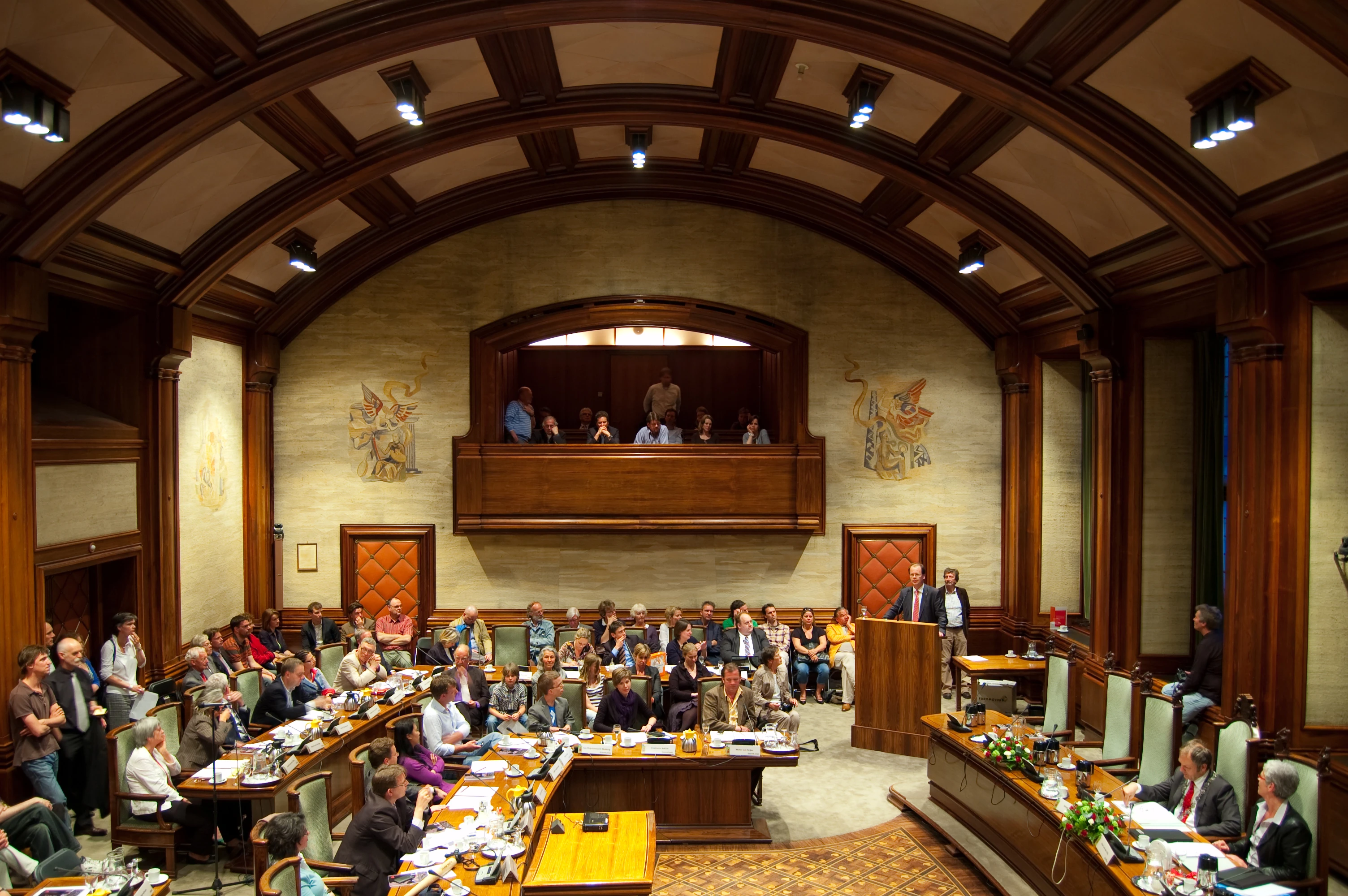
Every municipality in the Netherlands has its own governing body. In this article we explain what exactly the municiapl council does, what duties the college of mayor and councillors has, and how these two governing bodies work together. We also pay attention to local political parties.
The municipal council: the voice of residents
The number of council members varies by municipality. Large municipalities often have more council members than in smaller municipalities. Every 4 years, residents directly elect their representatives to the council.
The duties of the municipal council
The council has several duties. For example, it makes local rules. These rules are called ordinances and apply only within its own municipality. In addition, the council decides on policies, approves or rejects budgets and decides on important projects such as housing construction or social initiatives.
Another important task of the council is to monitor
The municipal council often includes several political parties. Some parties are active nationally, while others focus specifically on local issues and operate within one municipality or a region.
Would you like to read more about political parties in municipalities? Then read this article on RefugeeHelp.
What does the college of mayor and councillors do?
Every municipality has a college of mayor and councillors (B&W).
After each municipal election, parties in the municipal council negotiate to form a
The college of mayor and councillors is responsible for the day-to-day administration of the municipality. It implements council decisions and makes plans and proposals, for example in the areas of education, finance and the environment. The college also manages the municipal organisation and finances.
When making decisions, the college must consider not only the municipal council, but also national and provincial rules. This means that in building plans or environmental policies, for example, they must also comply with state and provincial regulations.
How do the municiapl council and the college work together?
The municipal council and the college each have their own role, but they work closely together. The council sets the direction: what are the municipality's ambitions, and what choices must be made? The college then takes care of implementation: how do we achieve those goals, and how do we arrange it practically?
An important aspect is the controlling function of the council. This ensures a good balance: the college cannot make decisions on its own. The council always keeps an eye on whether everything is proceeding as agreed.
This also explains why some decisions take time. Plans are drawn up first, then discussed and approved in the council, and only then does the college implement them.