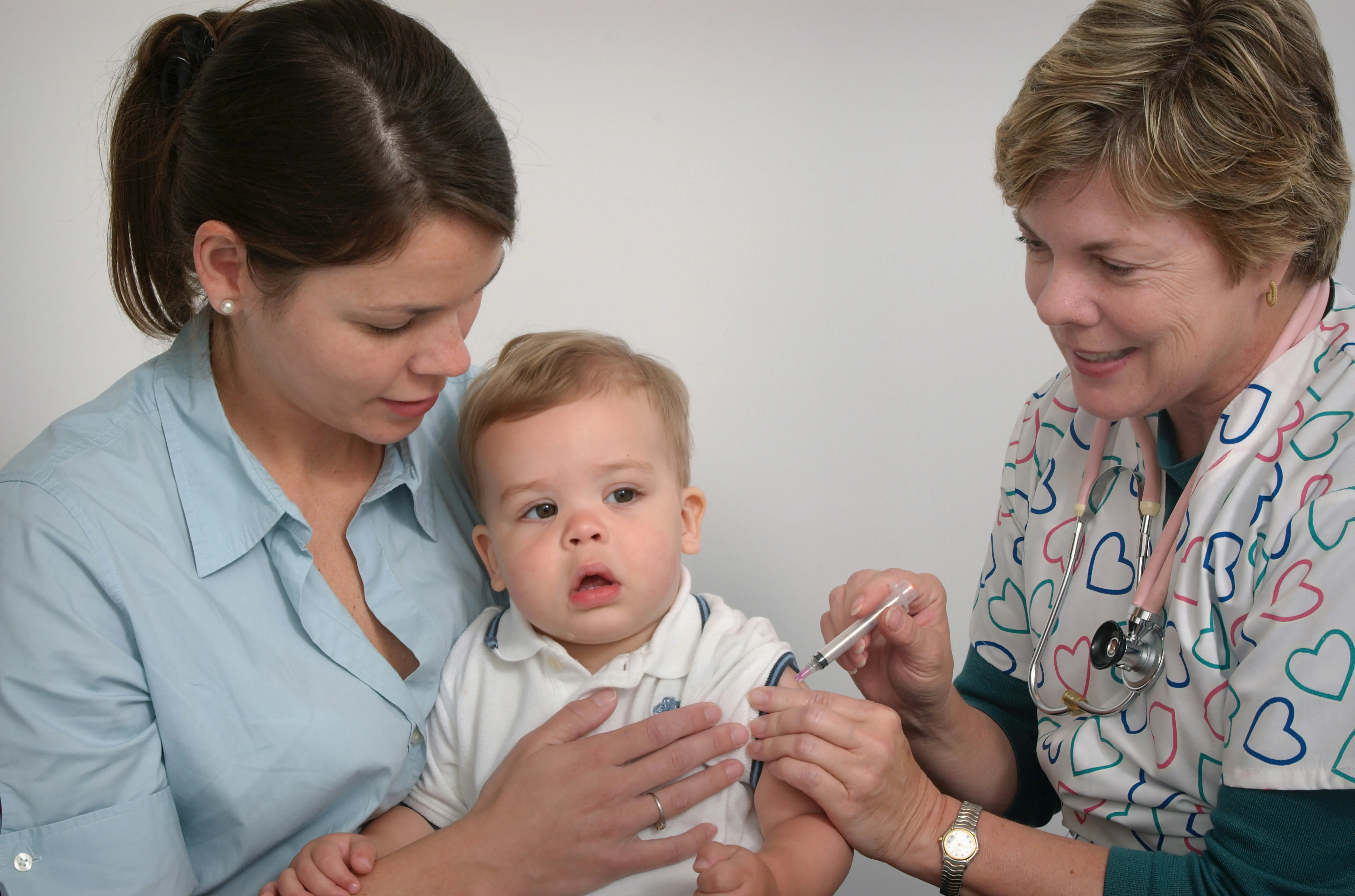
The Dutch National Immunisation Programme for children in a reception location
Share on social media:
The Dutch National Immunisation Programme provides children in the Netherlands with free and voluntary vaccinations against dangerous diseases. This includes children in care. In this article, you can read about vaccinations and how the Dutch immunisation programme works.
The National Immunisation Programme in the Netherlands
Children in the Netherlands receive invitations at set times for one or more
When your child is vaccinated, they are injected with a tiny amount of a weakened virus or bacterium. Your child’s body then produces
They receive their first vaccination when they are a few weeks old. They receive their final vaccination when they are 14 years old. Most vaccinations, such as
Vaccinations for children at a reception location
Even if you live in an
Are you unsure which vaccinations your child has had? Or do you not have the records? If so, they will assume your child has not yet had any vaccinations.
A medical examination for your child
Your child will then have a medical examination. The paediatrician or nurse will discuss the vaccinations with you. Together, you will work out which vaccinations your child still needs. They will then draw up a vaccination schedule, which sets out which vaccinations your child will receive and when.
Your child will usually receive the first vaccination during the medical examination. If that is not possible, your child will receive the first vaccination within four weeks.
Vaccination is voluntary and not compulsory
It is up to you to decide whether you want your child to be vaccinated. The child health doctor or nurse specialist will explain why the vaccinations are important. You can also ask questions. If you do not want your child to be vaccinated, they will respect your choice. However, they will make a note of this choice in the medical records.
Invitation to the vaccination
You will receive an invitation to your vaccination appointments. A paediatric nurse or another healthcare professional will administer the vaccinations. This usually takes place at the asylum seekers’ centre or at another agreed location.
Vaccinations are recorded in the vaccination booklet
After each vaccination, they will record which vaccination your child has received. They will send this information to the
Your child is entitled to free vaccinations until the age of 18. If your child starts a course of vaccinations before their 18th birthday, they may continue with that course even after their 18th birthday.
Pregnant women are also vaccinated
In the Netherlands, vaccinations begin as early as during pregnancy. If you are 22 weeks pregnant, you can have a vaccination against
Are vaccinations dangerous?
Vaccines in the Netherlands are thoroughly tested by an independent organisation. They are therefore safe. The jab might feel a bit uncomfortable, though.
Sometimes a child may feel a bit unwell after a jab. This is normal. The body is busy building up protection (antibodies) against the disease. A child may develop a fever, feel tired, have a reduced appetite or have a red, sore patch where they were jabs. These symptoms usually go away on their own after a few days.
Call your
Why are vaccinations important?
The Dutch vaccination programme has been in existence for 80 years. Almost all people in the Netherlands have been vaccinated. As a result, many dangerous diseases no longer occur here.
Vaccinations are important. They are the only way to prevent diseases from spreading.
Can a daycare facility or school refuse your child if they are not vaccinated?
Schools are not allowed to refuse admission to children who have not been vaccinated, as children are required to attend school under
Different rules apply to
For example, childcare centres must not discriminate on the grounds of religion or other personal characteristics of children.