Election day explained: from polls to exit polls and results
Share on social media:
'Opinion polls' are conducted in the final weeks before the House of Representatives elections. Researchers and journalists start predicting what people will vote on election day. On election day people are also asked what they voted, the polls based on this are called the 'exit polls'. In this article you can read more about polls, exit polls and election night results.
Research agencies conduct opinion polls throughout the year
Research agencies ask people in the Netherlands for their opinions throughout the year. They want to know what Dutch people think about certain topics. They usually do this via a survey or by email, on the internet or by telephone. They sometimes do this at the request of the government or another organisation. Sometimes they also do this in collaboration with a newspaper or television programme.
Of course, researchers cannot ask everyone in the Netherlands which party they are going to vote for, which is why '
Polls are not reliable predictions. Not everyone has already decided which party to vote for. Many people remain undecided until election day
On election day there are exit polls and results
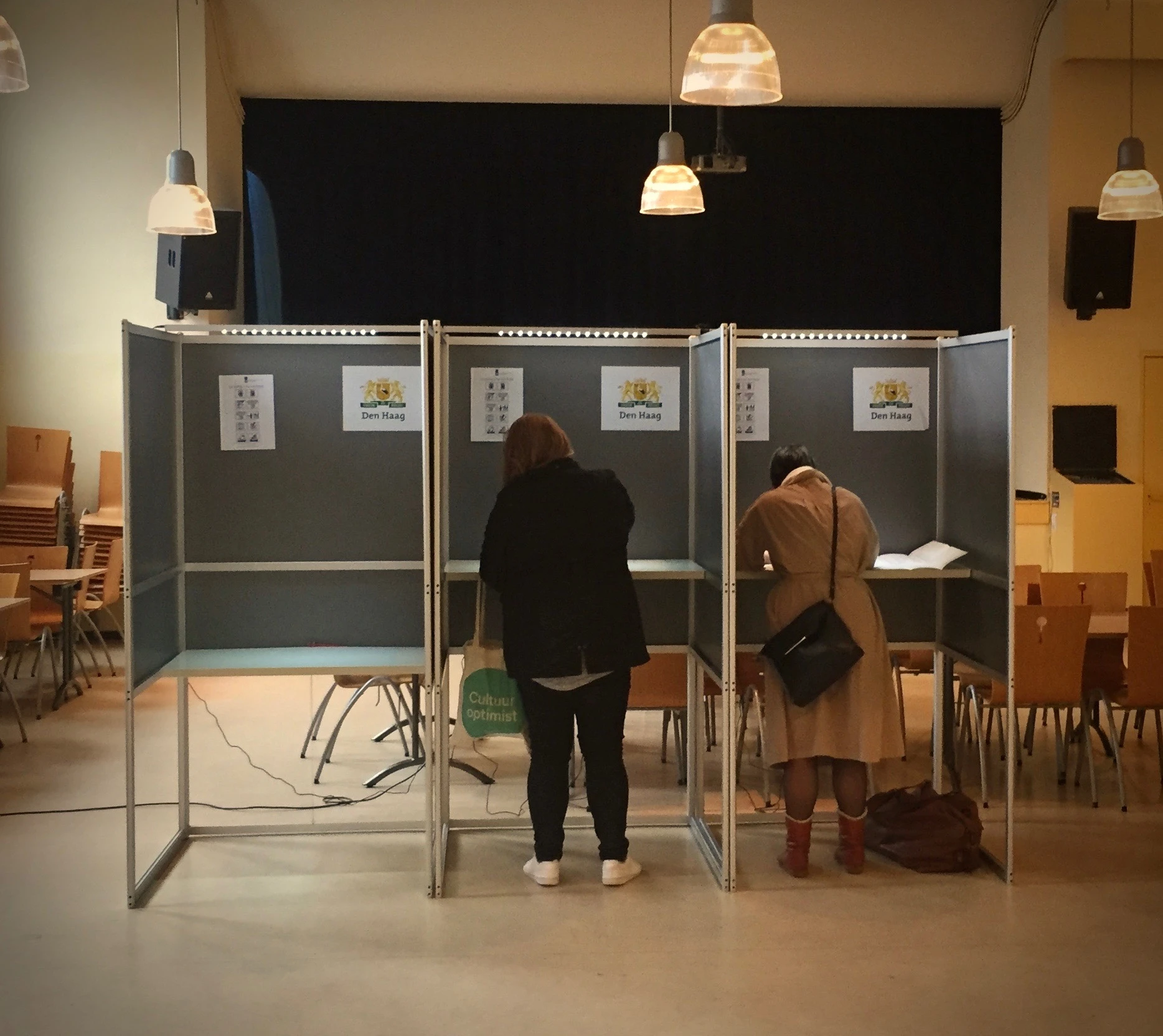
The polling stations are open from 07:30 on election day. Throughout the day, news media cover the election. For example, there are news reports on how many people went to vote. And videos of party leaders voting themselves. There are also exit polls: people who have already voted are asked who they voted for. The polling stations close at 21:00. Then the people at the polling stations start counting the votes. When all the votes from all the polling stations in the municipality have been counted, they are added together and announced.
On TV, there are several news media that have an all-night programme about the election. They talk about what the exit polls say about the possible outcome, they discuss turnout and have interviews with experts. Later in the evening, the preliminary results for each municipality come in. One by one. Usually the