Why do I need to see my GP first when I have complaints about my health?
Share on social media:
The general practitioner has a central role in Dutch healthcare. They are the first contact for people with health complaints. This article explains why GPs are important and what questions you can go to them with.
General practitioners in the Netherlands
General practitioner is a medical specialist and is very knowledgeable about various health problems. Each GP first completed a six-year training programme to become a doctors. Then they undergo special training as a general practitioner. As a result, GPs have broad medical knowledge and can treat many complaints themselves.
The GP: an unfamiliar role
For many people, perhaps including you, the role of the GP is new. In many countries, if you have medical complaints, you go directly to a specialist in the hospital. In the hospital, you often get a quick examination, treatment and medication, even for minor complaints.
In the Netherlands, this works differently. Here you always have to see the GP first. Some people find this inconvenient and see the GP as an extra step or even an obstacle. You may want to be immediately examined in the hospital or given strong medication.
Why do you need to see the doctor first?
Many complaints are annoying but not serious. For example: a cold, sore throat or mild pain. These symptoms often go away on their own. You can help yourself with rest and medications that you can buy at the
If you do have concerns about your health, you can often see a GP quickly. The GP will assess what is going on and determine what is needed. In many cases, the GP or another staff member in the general practice can help you.
Consultation with the GP
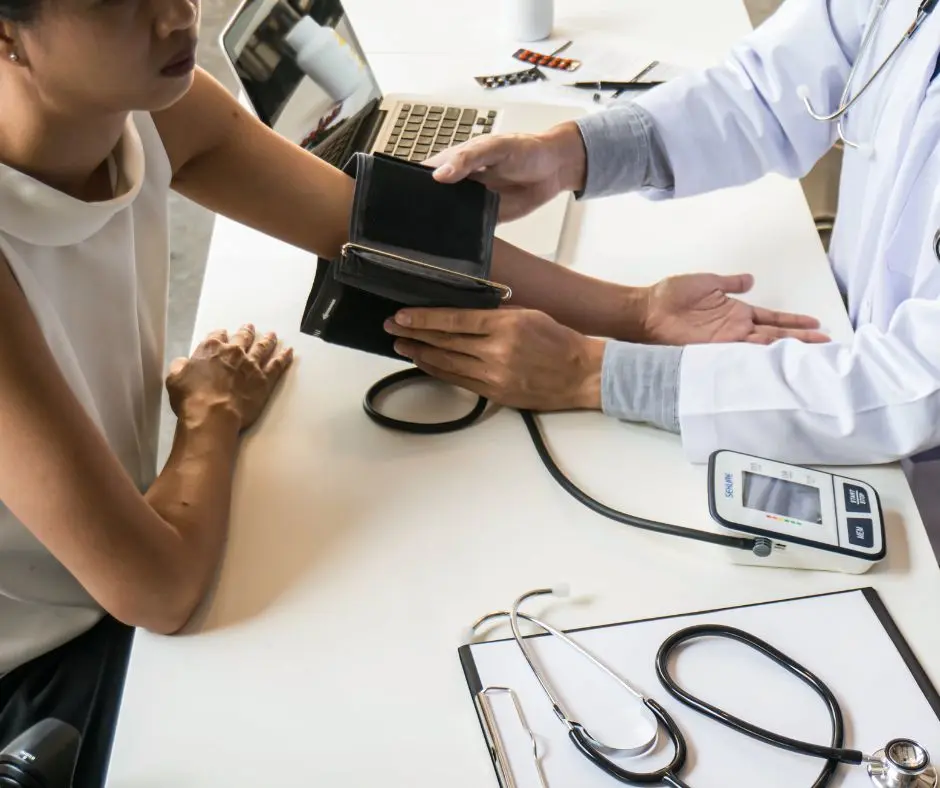
During an appointment you tell the doctor about your complaints, this is called a consultation. These can be physical complaints, but also psychological or emotional problems. The GP listens, asks questions and may examine you. This is usually done in the GP's office. Then the GP gives advice, writes a prescription for medication or refers you to the hospital.
As GPs treat many complaints themselves, hospitals remain available for people who really need specialist care. People with serious illnesses are therefore helped more quickly.
Hospital referral and cost of healthcare
If necessary, the GP will refer you to a specialist in the hospital. Without a referral, you cannot go to the hospital. This system prevents unnecessary examinations, treatments and expensive medication. This keeps healthcare in the Netherlands affordable for everyone.
Medications (e.g. antibiotics)
Dutch general practitioners are careful about giving medications, especially antibiotics. Antibiotics help only with bacterial infections and not with viruses, like the common cold or flu. If you use antibiotics too often, bacteria can become resistant. That means antibiotics later stop working. Infections then become harder to treat and that can be dangerous.
Dutch doctors give prescriptions for antibiotics only when necessary. As a result, resistance to antibiotics is rare in the Netherlands. With the prescription from the doctor you go to the pharmacy. There you then get your medication.
Registering at a general practice and pharmacy
It is important that you are registered with a general practice. That is where your medical records are kept. The GP knows what medications you are taking and what complaints you have had before. Also, the GP often knows your family situation. If you later need specialist care, you should always visit the GP first.
The GP may use a GP interpreter for the conversation with you.
You may choose your own general practice, but your doctor must be able to get to you within 15 minutes in case of an emergency.
You should also register with a pharmacy in your area. That pharmacy has a record of all your medications. That way the pharmacy knows which medicines you are taking. And he can prevent you from taking medicines that are not good for you. Sometimes the doctor and the pharmacy are in the same building.
In case of emergency, call 112
The information in this article does not apply to life-threatening and emergency situations. In that case, call 112 or go immediately to the hospital's
The GP in brief
In the Netherlands, the general practitioner is a well-trained medical specialist and the first point of contact for health problems. They treat many complaints themselves and only refer when necessary. This ensures good, safe and affordable healthcare. Therefore, it is important that you register with a general practitioner and contact the general practitioner first in case of complaints.