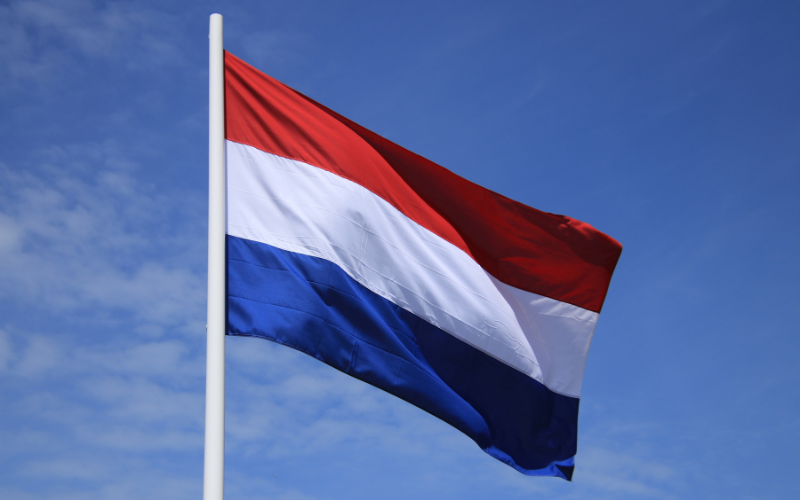
Which countries are part of the Kingdom of the Netherlands?
Share on social media:
The Netherlands is part of the Kingdom of the Netherlands. This Kingdom also includes various islands in the Caribbean. Some of these islands are independent countries within the Kingdom, whilst others are part of the Netherlands. Read on to find out more.
The Kingdom of the Netherlands consists of 4 countries
The Kingdom of the Netherlands consists of 4 countries: the Netherlands, Aruba, Curaçao and Sint Maarten. King Willem-Alexander is the head of state of the entire Kingdom.
The Netherlands is not limited to the European part that appears on the map next to Germany and Belgium. Bonaire, St. Eustatius and Saba are also part of the Netherlands. These three islands are located in the Caribbean and are collectively known as the Caribbean Netherlands.
The fact that the islands now have different statuses is due to decisions made when the country the Netherlands Antilles was dissolved. That country consisted of six islands. The islands of Bonaire, Saba and Sint Eustatius subsequently opted for a direct link with the Netherlands. Aruba, Curaçao and Sint Maarten chose to become independent countries within the Kingdom.
Aruba, Curaçao and Sint Maarten are organised differently. They are part of the Netherlands and therefore part of the Kingdom, but they are not part of the country of the Netherlands. They have their own
The bond between the Netherlands and the islands has existed for a long time
The relationship between the Netherlands and the Caribbean islands has a long colonial history. In the 17th century,
In 1954,
As a result of the charter, the composition of the Kingdom changed on several occasions. In 1986, Aruba left
The biggest change came on 10 October 2010. The Netherlands Antilles ceased to exist. Curaçao and Sint Maarten became, like Aruba, separate countries within the Kingdom. Bonaire, Sint Eustatius and Saba became part of the Netherlands.
The countries within the Kingdom handle many matters on their own
The Netherlands, Aruba, Curaçao and Sint Maarten each have their own government.
Aruba, Curaçao and Sint Maarten therefore set many of their own rules, for example regarding education, healthcare and taxes.
The countries handle certain matters jointly within the Kingdom. This applies, for example, to defence, foreign affairs and Dutch citizenship.
Bonaire, St. Eustatius and Saba are similar to Dutch municipalities
Bonaire, St. Eustatius and Saba are part of the Netherlands. They are often referred to as ‘bijzondere gemeenten’ (special municipalities). Officially, they are called
Dutch citizens living on Bonaire, Sint Eustatius or Saba can also vote for
How elections work in the Caribbean part of the Kingdom
As Aruba, Curaçao and Sint Maarten are independent countries, they hold their own elections. Residents there elect the parliament of their own country.
Different rules apply to Dutch citizens living in Aruba, Curaçao or Sint Maarten. They are not automatically eligible to vote for the House of Representatives. However, they may do so if, for example, they have lived in the Netherlands for at least 10 years. In that case, they must register as voters living outside the Netherlands.