Language and culture
On this page, you can read more about Dutch language and culture: from expressions and puns to public holidays and famous people from Dutch history. You can also read more about Dutch artists and Dutch manners.
Information
Different ways to describe one situation in Dutch
Sometimes you can express what you mean in a single sentence in different ways. That is why it is helpful to learn multiple ways to say it. In this article, you will learn how to convey the same message in different ways in Dutch.
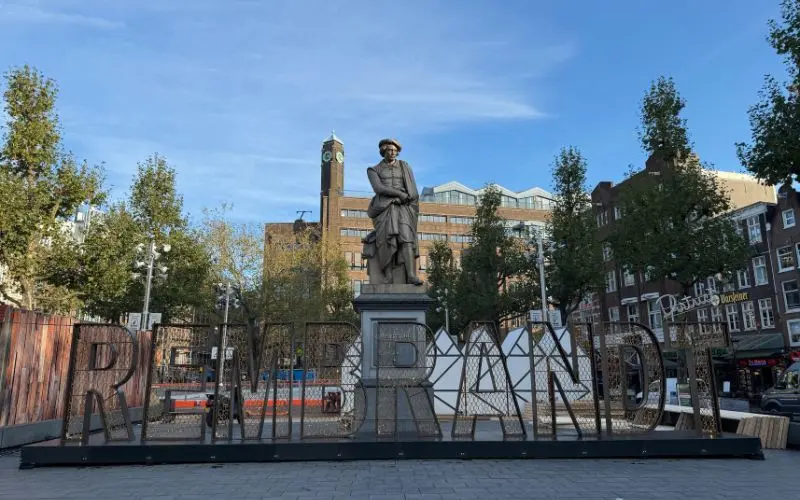
Rembrandt van Rijn: painter of light, shadow and emotion
Rembrandt van Rijn (1606–1669) was a Dutch artist. He produced many paintings, drawings and etchings. His works of art are now very famous. Some of Rembrandt’s paintings are also worth a great deal of money. In this article, you can read more about Rembrandt van Rijn and his work.
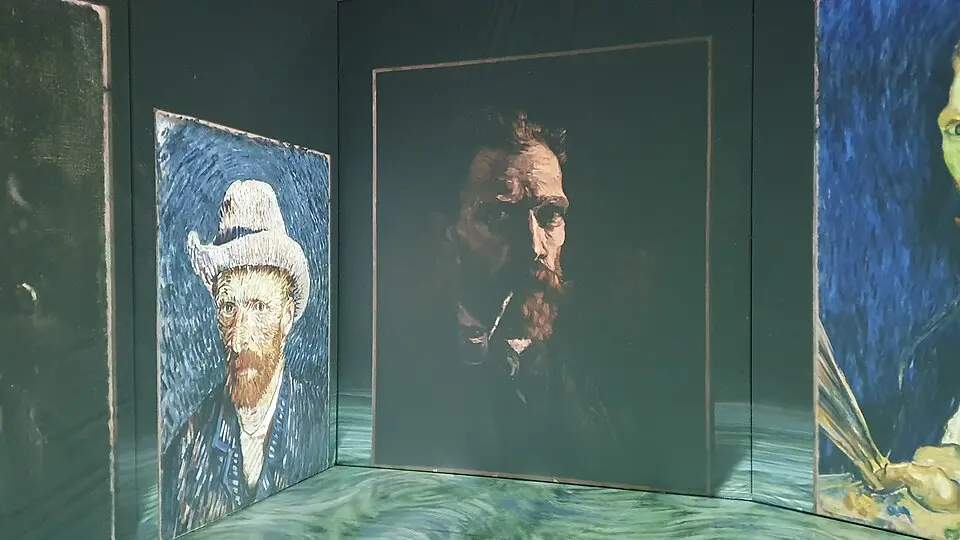
Vincent van Gogh: his story, style and most famous works
Vincent van Gogh (1853–1890) was a Dutch painter. Today, he is world-famous. His paintings hang in major museums and are viewed by millions of people. Yet during his lifetime, he was neither rich nor famous. It was only after his death that he received widespread recognition. In this article, you can read more about his life and his art.
Dutch expressions and sayings that also exist in many other languages
There are many expressions and sayings in Dutch. In this article, you will learn a number of Dutch expressions and sayings that have a similar form or meaning in other languages.
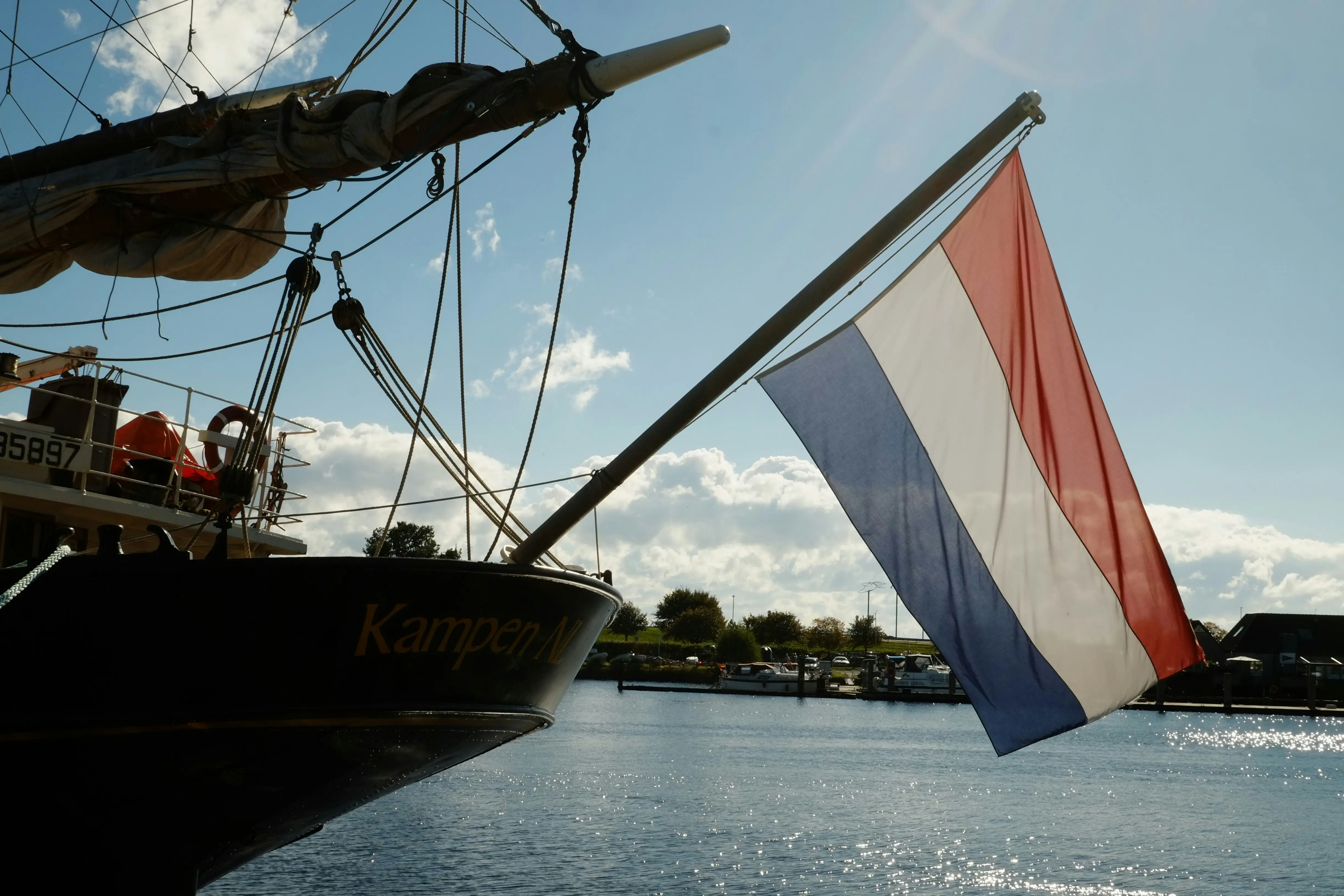
How do you use expressions relating to the sea, sailing and ships in Dutch?
The Dutch language has many expressions. The Netherlands is a coastal country with a long history of seafaring. Consequently, the Dutch language contains many expressions relating to sailing and ships. In this article, you can read more about these expressions.

Short phrases to describe situations in Dutch
Sometimes things go well, sometimes they do not, and sometimes there is nothing you can do about it. In Dutch, people often use short phrases to describe a situation quickly. In this article, you will learn useful phrases for positive, neutral and negative situations.

Useful short phrases: how to express your emotions in Dutch
In conversation, Dutch people often use short phrases to express their emotions. In this article, you will learn phrases you can use to respond in different situations. You will learn how to say that you are happy, angry, surprised or disappointed.

Short phrases in Dutch for making arrangements
In everyday life, you often have to make plans and arrange meetings. In Dutch, people often use short phrases for this. In this article, you will learn some useful phrases you can use when you need to organise or plan something.
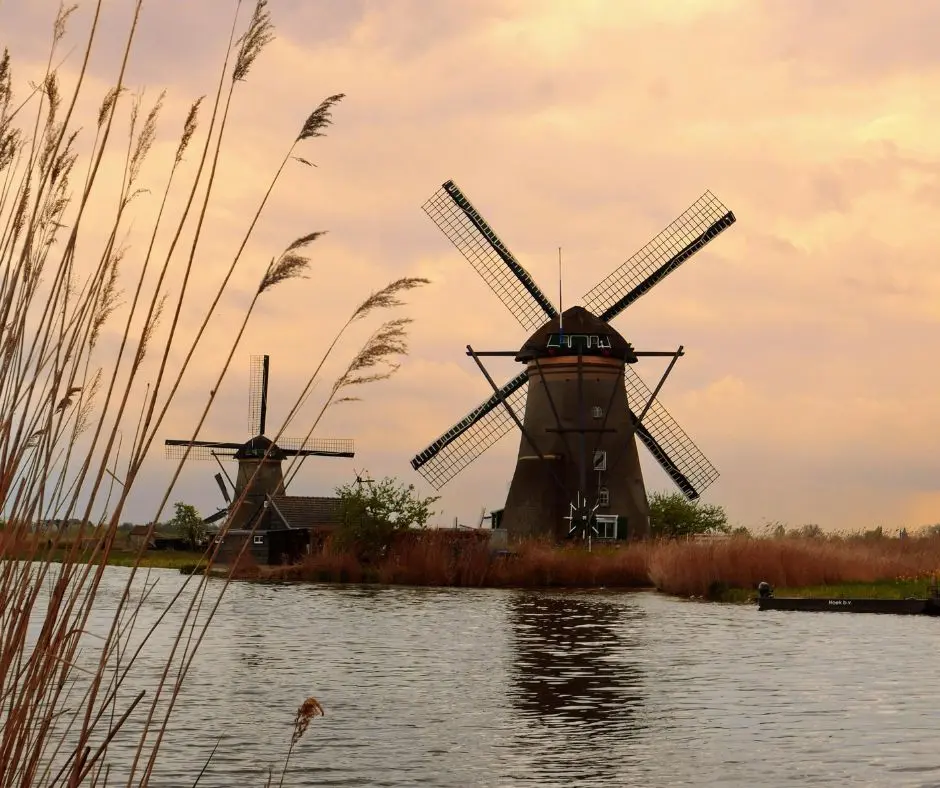
Discover the Dutch language: expressions, proverbs and humour
The Dutch language is rich in expressions, proverbs and jokes involving a double meaning. Imagery, directness and irony play an important role. In this article you will read what all of these mean.

Short phrases for expressing your opinion in Dutch
In conversation, Dutch people often use short phrases to respond quickly. This is handy, but not always easy. In this article, you will learn phrases for expressing your opinion and responding clearly. You will learn how to say whether you agree, disagree or are still undecided.